
Ballet guides
Why is pink the colour of ballet?
Pink is one of ballet’s most recognisable colours. Delicate, elegant and closely associated with grace, it has become part of the classical image of a ballerina.
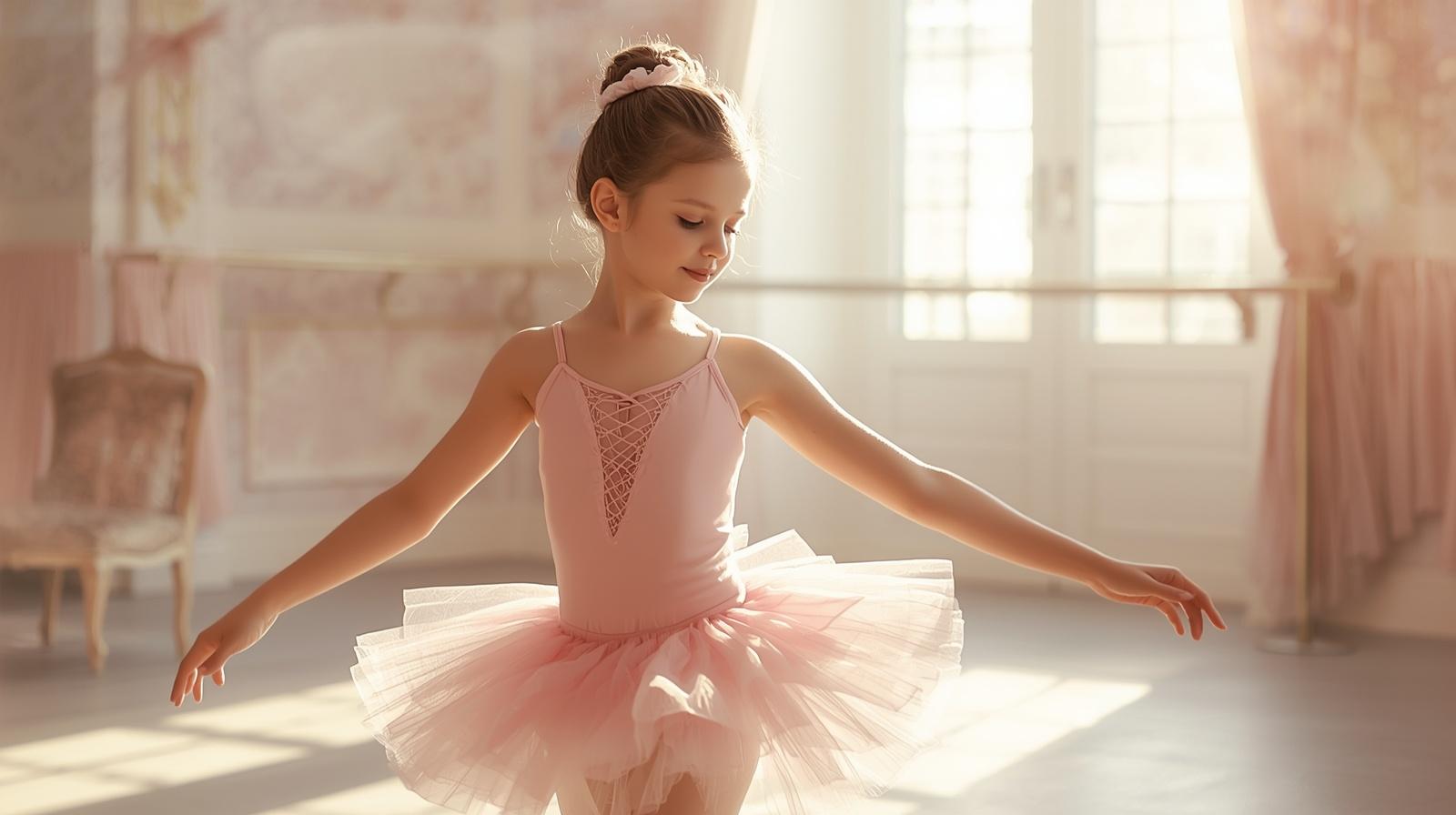
Why is pink so prominent in ballet equipment and in the visual world of this dance?
Legend has it…
According to legend, dancers in early classical ballet performances wore very light costumes to highlight the delicacy and fluidity of their movements. Under the warm candlelight or lamps of old theatres, white costumes often took on a pinkish hue. This subtle shade gradually became associated with ballerinas’ elegance and grace.
Pink gradually became a favourite for rehearsal wear and ballet equipment because it created a delicate, harmonious appearance.
A practical reason: highlighting the leg line
Beyond the legend, there is a practical reason for the frequent use of pink. Pale pink can resemble lighter skin tones and help create a continuous, elegant leg line.
When a ballerina wears tights and ballet slippers in the same shade, the leg looks longer and more uniform, making the lines of movement clearer. This matters in ballet, where the body’s aesthetics and harmony play an essential role.
A tradition in ballet schools
Over time, pink became a traditional colour in ballet schools. Many academies and children’s classes include pink tights and shoes in their uniforms, sometimes with leotards in the same shade.
This tradition creates a consistent appearance and preserves ballet’s classical style.
Pink as a symbol of grace and femininity
In ballet’s visual culture, pink has come to symbolise grace, delicacy and elegance. It complements the artistic image of the ballerina and emphasises the poetic character of classical dance.
Although modern performances feature costumes in many colours, pink remains one of the shades most closely associated with ballet.
Conclusion
Pink’s association with ballet combines tradition, aesthetics and practical considerations. From the legend of old theatre lighting to the wish to highlight the leg line, pink has become an important part of ballet’s image.
Today, the colour continues to symbolise the elegance and beauty of classical dance.