Ballet guides
How to choose the right ballet tights
Tights are an essential part of a ballet outfit. Choosing the right pair affects comfort during training, freedom of movement and the overall appearance of the outfit.
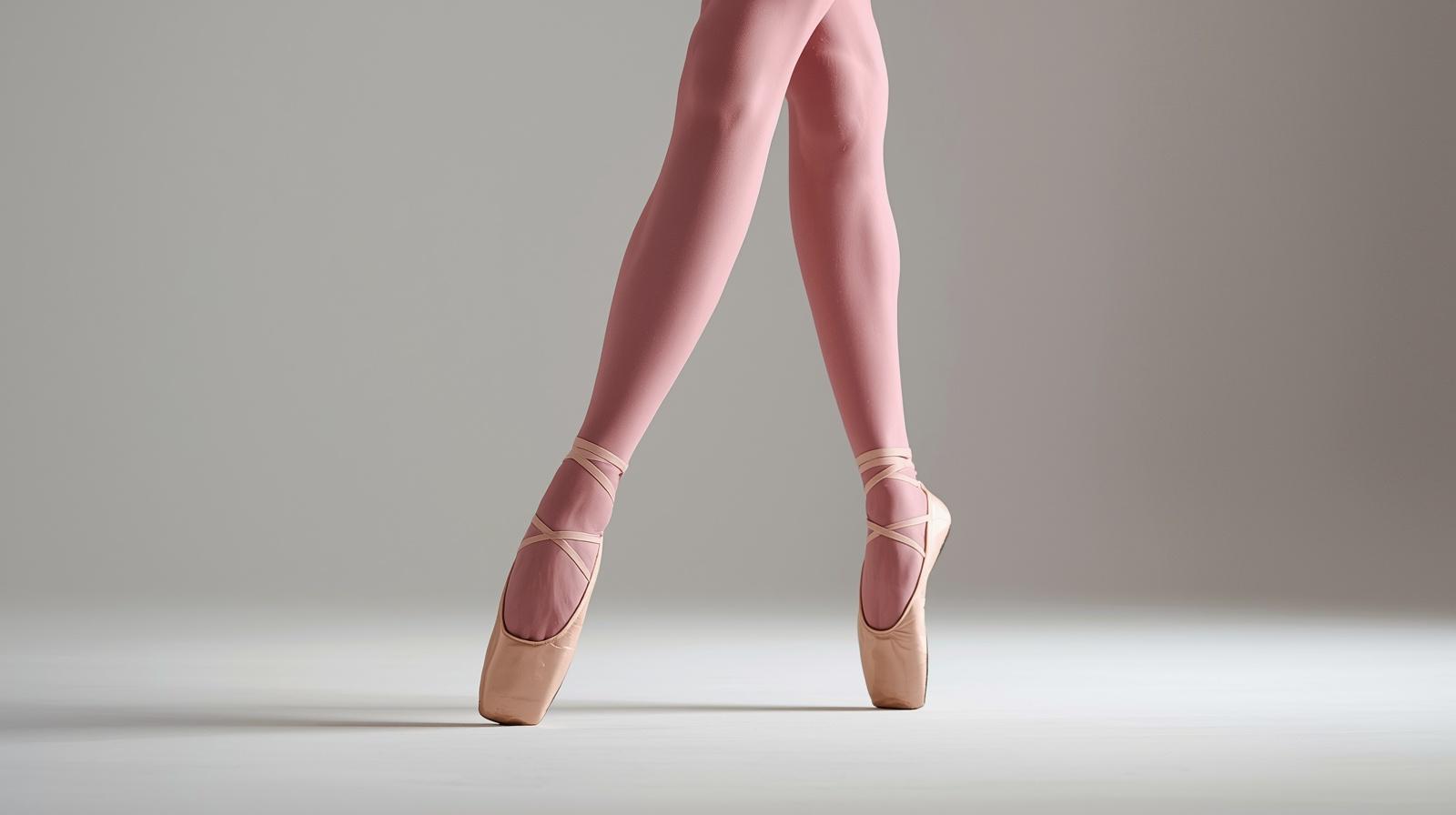
To choose well, consider a few essential factors.
1. The design of ballet tights
Ballet tights differ from everyday tights. Designed specifically for dance, they provide an even, opaque finish along the whole leg.
Unlike everyday tights, ballet tights do not have a thicker upper section or a different texture at the top. They also have very fine seams, so these remain discreet and do not cause discomfort during movement.
This design creates a continuous, elegant line along the leg, which matters in ballet, where appearance and clearly defined body lines are important.
2. The fabric
Fabric is one of the most important considerations when choosing ballet tights. They are usually made from stretch fibres, such as nylon blended with elastane or other technical materials.
A quality fabric should be stretchy, durable and comfortable, allowing all movements without restriction. Breathability also matters, helping the skin breathe and keeping the dancer comfortable throughout class.
Explore styles for ballet classes:
Discover our ballet tights collection.
3. Thickness and opacity
Most ballet tights are 60 DEN or 80 DEN, providing the opacity needed for a ballet outfit. This gives the leg an even appearance and highlights its line during exercises.
Thicker tights are also generally more durable and less vulnerable to stretching or friction against the floor during training.
4. Cut and fit
Like a ballet leotard, tights should fit closely, without wrinkles or baggy areas. A good fit helps the teacher clearly see the leg line, knee position and extension during movement.
Tights should not be too tight or uncomfortable. They should allow complete freedom of movement and stay in place during exercises.
5. Types of tights
Several types of tights are used in ballet:
- Footed tights, which cover the whole foot
- Convertible tights, with an opening under the sole that allows the foot to be uncovered when needed
- Footless tights
- Stirrup tights, with an elasticated band under the arch that leaves most of the foot uncovered
Footed tights are the most common choice for beginners because they offer a classic look and are easy to wear. Convertible tights are also popular for their practicality and adaptability to different exercises.
6. Colour
Many ballet schools specify a standard tights colour, usually pale pink or salmon, as part of the class uniform.
Check with the teacher or choreographer before buying tights to make sure they meet the group’s requirements.
7. Quality and durability
Quality ballet tights may cost a little more, but the investment is worthwhile. Good fabrics are more durable, less prone to snagging and retain their stretch for longer.
Comfortable tights also make ballet classes more enjoyable and allow your child to focus on movement and technique rather than discomfort.
Conclusion
Choose ballet tights carefully, considering their design, fabric, thickness, fit, type and colour. The right tights offer comfort and freedom of movement while clearly showing the leg line during exercises.
👉 Not sure what to choose?
View our ballet tights collection.