
Ballet guides
Myth or fact? What you need to know about ballet
Ballet is often seen as an elegant, artistic activity, but many myths surround it. In reality, ballet can offer many benefits for children’s physical and personal development.
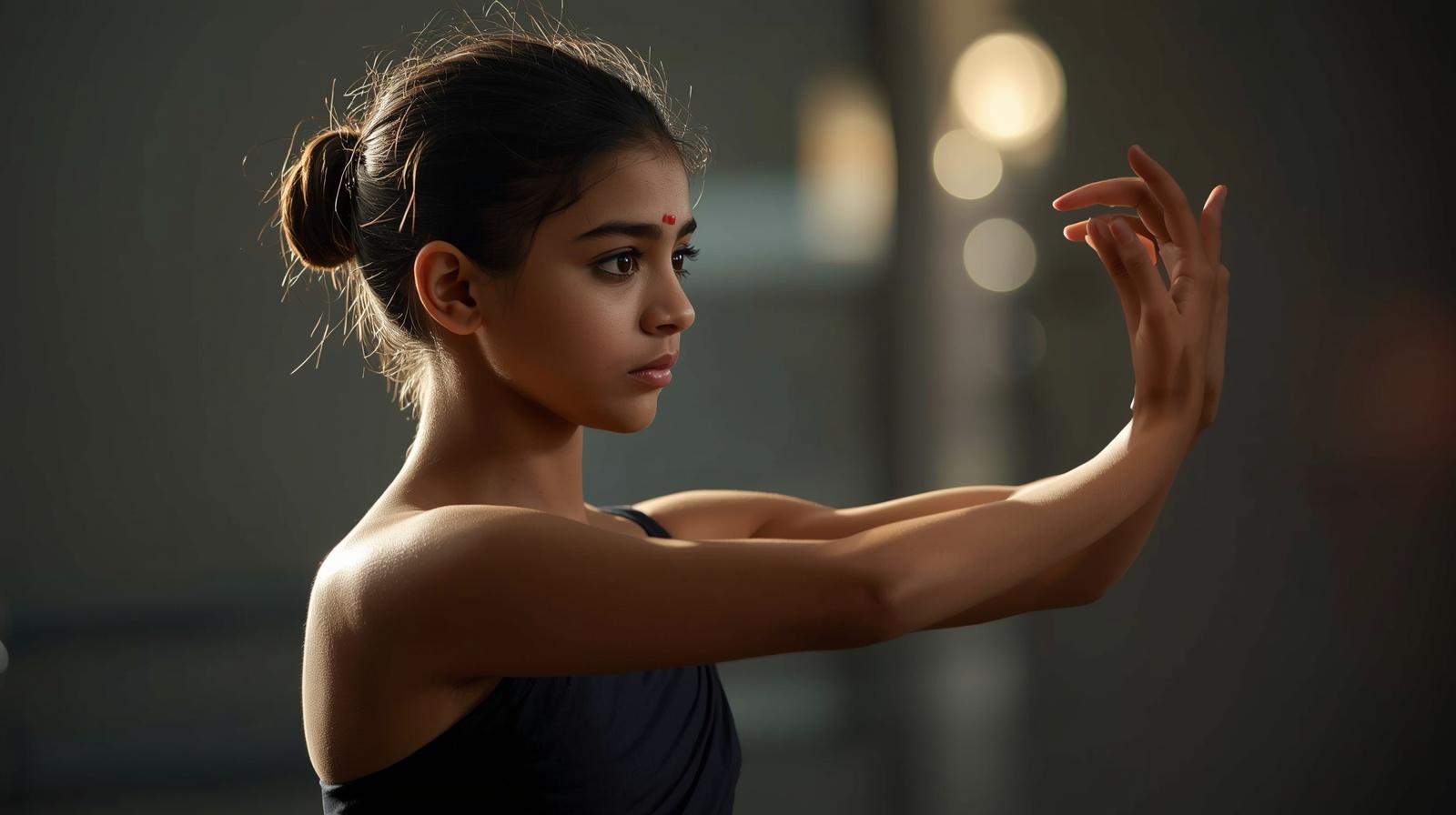
Here are some common claims about ballet and how accurate they are.
Myth: Ballet is only for children who want a dance career
This is one of the most widespread myths. Most children who practise ballet do so recreationally.
Ballet can be an excellent leisure activity, contributing to physical development, movement coordination and personal discipline.
Fact: Ballet develops correct posture
Ballet places considerable emphasis on posture. During training, children learn to keep their backs straight, shoulders relaxed and heads correctly positioned.
Over time, these habits become natural and can contribute to healthier posture in everyday life.
Myth: Ballet is easy
Although ballet movements often look delicate and fluid, they require considerable work and practice. Ballet involves physical effort, concentration and constant repetition to achieve precision and control.
It is a complex activity that develops muscle strength, balance and coordination.
Fact: Ballet improves mobility and flexibility
Ballet exercises include stretches and movements that develop joint mobility and muscle flexibility. Regular practice can improve mobility and body awareness.
Myth: Ballet is only suitable for certain body types
There is a belief that only children with particular physical characteristics can practise ballet. Recreational ballet is accessible to many children.
Each child can progress at their own pace. The main goals of beginner classes are healthy physical development and the joy of movement.
Fact: Ballet can be practised at different levels of intensity
Some children choose a professional path, while many others practise ballet recreationally. At private ballet schools, attendance is flexible and the pace is adapted to the group’s level.
Children can enjoy ballet for the pleasure of movement, without pressure to pursue a dance career.
Myth: Pointe work “damages” the feet
Pointe work is a common source of concern. It places substantial demands on the feet and requires technical preparation, strength and close supervision by the teacher.
Pointe shoes are introduced only after a period of preparation, when muscles and joints are sufficiently developed to support this work. When practised correctly and introduced gradually, pointe work should not cause problems.
Fact: Intensive training can cause muscle soreness
As with any demanding physical activity, ballet can cause muscle soreness or fatigue after training, especially when exercise intensity increases.
In recreational ballet, intensity is adapted to children’s age and level, and training is designed to be safe and progressive.
Fact: Ballet develops discipline and self-control
Ballet requires attention to detail and consistent practice. Children learn to follow the teacher’s guidance, repeat movements and gradually improve their technique.
This discipline can carry over into other areas of life, such as schoolwork and other hobbies.
Myth: Ballet is only about movement
Alongside its physical component, ballet has artistic and cultural dimensions. It introduces children to classical music, stories and celebrated works from the dance repertoire.
Ballet is therefore a cultural experience as well as a physical activity.
Conclusion
Beyond the myths, ballet offers many benefits for children’s physical and personal development. In a suitable environment and at a pace adapted to each child, it can contribute to correct posture, mobility and discipline, while introducing the joy of movement and art.