
Ballet guides
The debate around ballet dancers’ body shape and weight
Ballet is associated with elegance and grace, but discussions about weight and body shape require care, especially when children and teenagers are involved.
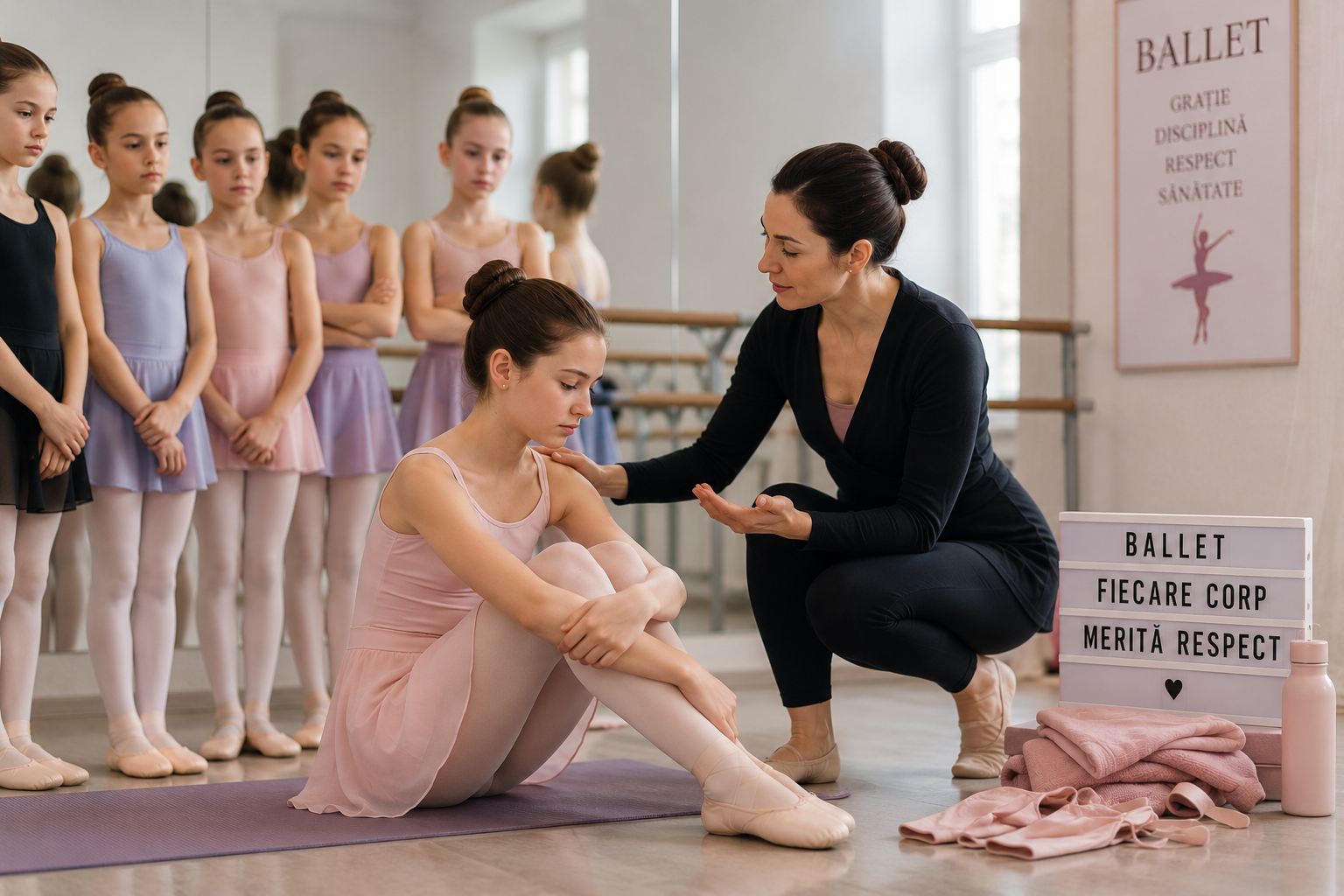
Ballet is often associated with elegance, grace and a particular aesthetic image of the body. Historically, that image has been linked with a very slender figure, regarded as ideal for the ballet stage.
In recent years, however, there has been considerable discussion and debate about pressure around body weight, especially for children and teenagers studying dance.
Traditional beauty standards in ballet
In classical ballet, a slim figure has long been seen as an aesthetic standard. This preference was influenced by several factors: the visual line of movements, uniformity in the corps de ballet, and the demands of costumes and choreography.
Over the decades, these standards helped create the idea that ballerinas had to be very thin to succeed.
In some cases, this perception placed considerable pressure on dancers, including children just beginning ballet.
The impact on children and teenagers
An excessive focus on weight can negatively affect dance students. Children and teenagers are developing physically and emotionally, and comments or expectations about body shape can affect their self-esteem and their relationship with their bodies.
Specialists in arts education increasingly emphasise that training should prioritise technique, coordination and the joy of dance, rather than a rigid body ideal.
Changing perspectives in dance
The dance world has increasingly discussed body diversity and the importance of physical and mental health in recent years.
More institutions, teachers and dance companies encourage a balanced approach that emphasises strength, stamina and artistic expression rather than body measurements alone.
This shift reflects a deeper understanding that dancers have different body types and that artistic performance depends on more than body shape.
The role of ballet equipment brands
Changes are also visible in the ballet equipment industry. In the past, many brands offered leotards, rehearsal wear and tights in a limited range of sizes, indirectly suggesting a very narrow body standard.
More recently, many brands have introduced a wider range of sizes, including products for girls and women with different builds.
This sends an important message: people with diverse body types can practise ballet, and access to suitable equipment should not be restricted by a rigid body ideal.
Balancing aesthetics and health
Ballet remains an artistic discipline in which aesthetics play an important role. Increasingly, specialists emphasise that those aesthetics must be compatible with dancers’ physical and emotional health.
For children in particular, the focus should be on healthy physical development, balanced nutrition and respect for body diversity.
Teachers and dance institutions have an essential role in conveying a healthy message: a dancer’s value includes talent, effort, discipline and artistic expression, rather than weight alone.
Conclusion
Debates about ballerinas’ body shape reflect wider discussions about beauty standards and dancers’ health. Although the traditional image of ballet long favoured a very slender figure, the dance world is gradually reassessing those criteria.
Brands introducing more diverse sizes, alongside discussions about dancers’ physical and emotional wellbeing, are important steps towards a more balanced, inclusive artistic environment.