
Ballet guides
Professional burnout in ballet
Behind the grace on stage lie intense work, pressure and sacrifice. Professional burnout can occur when physical, emotional and mental demands become overwhelming.
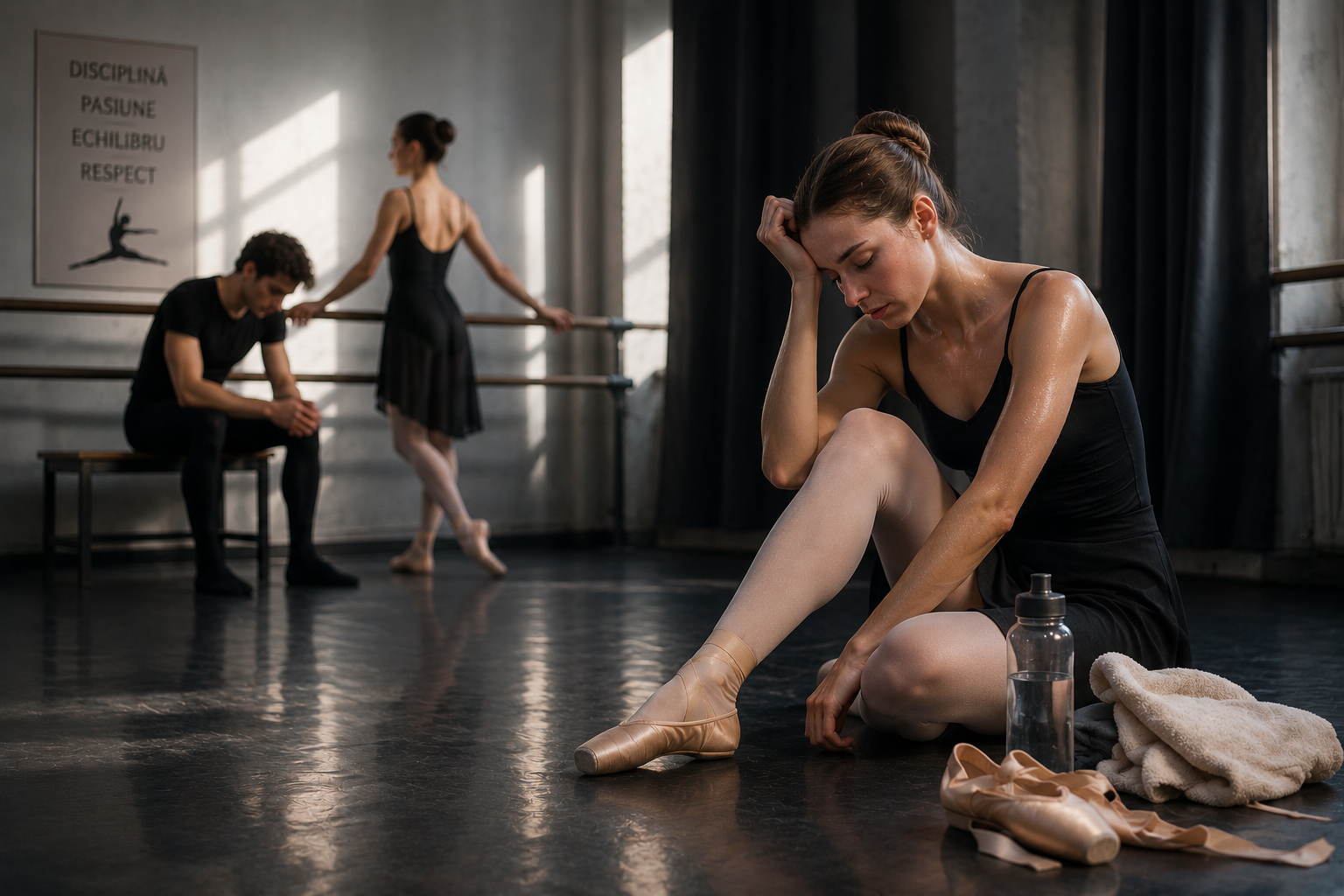
Classical dance is often seen as an elegant, graceful art. On stage, audiences see only the finished result: perfect movements, expression and harmony.
Behind those moments are an immense workload, sacrifices and constant pressure. In this setting, dancers may experience professional burnout: physical, emotional and mental exhaustion caused by prolonged stress.
What burnout means in dance
Burnout involves profound fatigue and a loss of motivation for professional work. For ballet dancers, it can develop when the physical and psychological demands of the profession become overwhelming.
Intensive rehearsal schedules, competitions, frequent performances and the pressure to be perfect can gradually lead to exhaustion.
Causes of burnout in ballet dancers
Several factors can contribute to burnout among dancers. A heavy workload is one of the most important.
Daily rehearsals, sometimes lasting several hours, place intense demands on the body and mind. Constant pressure to meet very high standards can also create ongoing stress.
Competition within the arts is another factor. Auditions, competitions and the desire to obtain important roles can create anxiety and uncertainty.
Injuries and periods of recovery can also increase frustration and affect dancers’ emotional wellbeing.
Signs of burnout
Burnout can take different forms. Some common signs include:
- Constant fatigue
- Reduced motivation
- Difficulty concentrating
- Losing the joy of dancing
- Persistent pain
- Low energy
- Sleep problems
Emotionally, dancers may experience frustration, irritability or doubts about their abilities. If these feelings persist, they can affect both artistic performance and personal wellbeing.
Preventing and managing burnout
Preventing burnout involves finding a balance between work, rest and recovery. Adequate rest and time to relax are essential for the body to recover.
Stretching, physical recovery and relaxation techniques can also contribute to maintaining physical and mental health.
Teachers, choreographers and mentors play an important role by creating a balanced, encouraging working environment. Open communication about difficulties and support from the team can reduce the pressure dancers feel.
The importance of emotional balance
In such a demanding profession, emotional balance is essential. Ballet dancers need to learn to listen to their bodies and recognise their limits.
Nurturing a love of dance, maintaining interests outside the studio and developing a healthy perspective on performance can help prevent exhaustion.
Conclusion
Professional burnout can affect ballet dancers at different stages of their careers. Understanding its causes and recognising early signs of exhaustion are important steps in prevention.
With balance, support and a healthy approach to performance, dancers can continue developing their careers while preserving the joy of dance.