
Ballet guides
When can a ballerina safely start pointe work?
Dancing en pointe is one of classical ballet’s most spectacular moments, but this step requires patience, proper preparation and careful supervision.
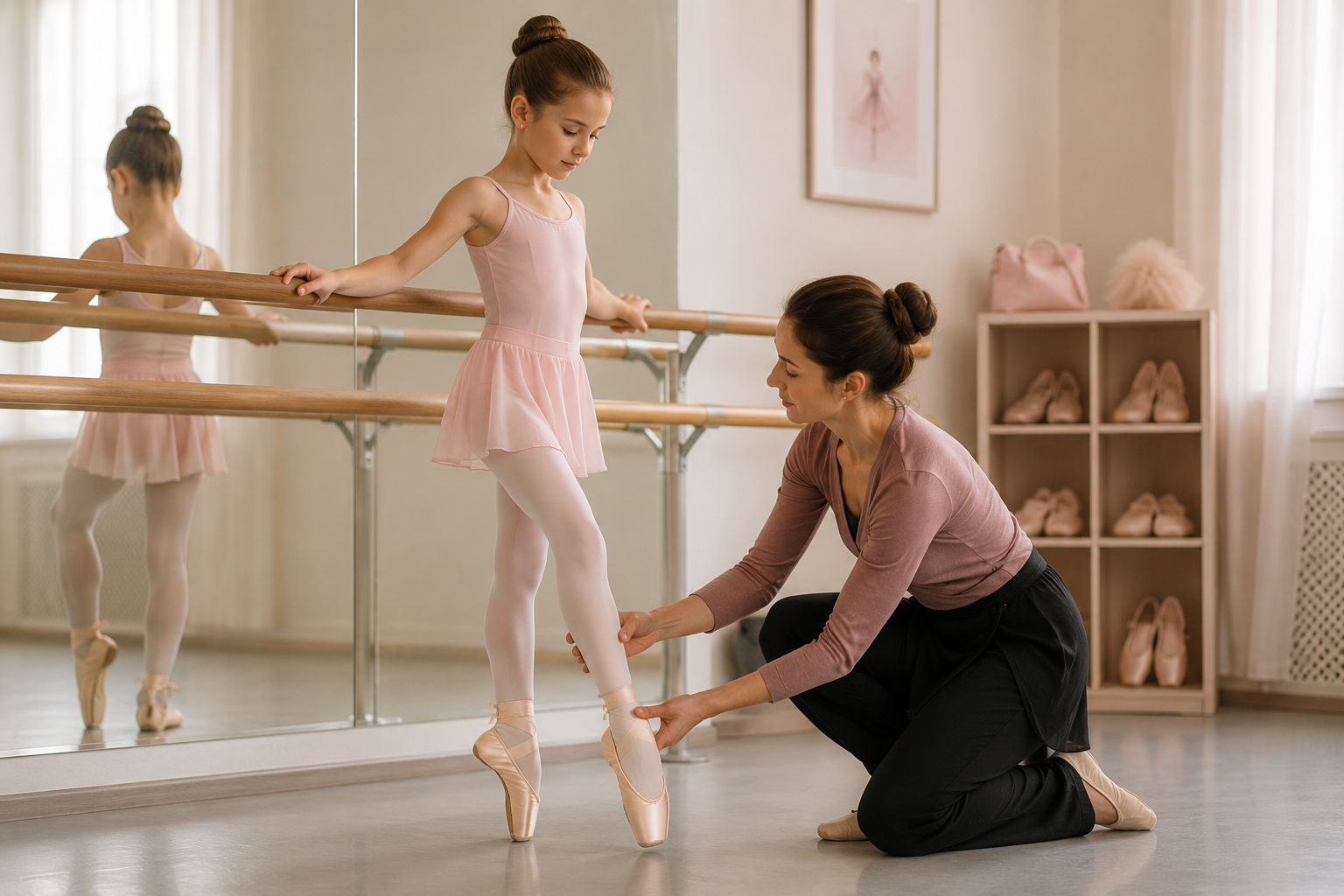
Pointe work is one of the most recognisable and spectacular elements of classical ballet. The image of a ballerina seemingly dancing effortlessly on the tips of her toes is a symbol of the art.
Behind this technique are years of careful training and controlled progression. Asking when to start pointe work is essential, especially for children who are still developing.
The importance of proper preparation
Pointe work places considerable demands on the feet, ankles and whole body. To practise it safely, a ballerina needs a solid foundation in ballet.
This includes muscle strength, ankle stability, body control and correct technique.
Students usually study classical ballet for several years before starting pointe work. During this time, they develop correct posture, alignment and the strength needed to protect their joints.
The right age
In most ballet schools, pointe work starts at around 11–12, sometimes a little earlier or later depending on the child’s physical development.
This recommendation reflects the need for the bones of the foot to be sufficiently developed to withstand pressure in this position.
Age is not the only consideration. Every child develops differently, so the decision must be individual.
Assessing physical readiness
Before a student begins pointe work, the ballet teacher should assess:
- Foot and ankle strength
- Correct body alignment
- Stability in barre exercises
- Technical control of basic steps
- Training frequency and consistency
Some schools also recommend a medical or physiotherapy assessment to check foot development and help prevent potential problems.
A gradual introduction to pointe work
The first pointe exercises are usually simple and performed at the barre to provide stability and control. Dancers gradually learn to support their weight and control their balance.
Only after a period of preparation and technical consolidation can they begin more complex exercises or pointe work in the centre.
The risks of starting too early
Starting pointe work before the body is ready can lead to problems such as pain, injuries or foot deformities.
Rushing this stage can have long-term consequences. Teachers and parents need to understand that progress in ballet should be gradual and safe, even when the wish to dance en pointe appears very early.
The role of the teacher and the right equipment
An experienced teacher will guide the process carefully and choose the right time for each student. Pointe shoes must also suit the structure of the foot, as different styles offer different levels of support.
Suitable equipment, combined with correct technique and careful supervision, contributes significantly to a dancer’s safety.
Conclusion
Starting pointe work is an important milestone in a ballerina’s training, requiring patience and responsibility. There is no single age that suits every student: physical readiness, technique and individual development matter.
With proper preparation, a gradual introduction and careful supervision, pointe work can become a safe, rewarding experience that marks a new stage in a ballerina’s artistic development.