
Ballet guides
A brief history of ballet: when, where and how it began
Today, ballet is one of the world’s best-known and most admired forms of artistic dance. Elegant movement, discipline and a close relationship with classical music have made it a symbol of art and refinement.
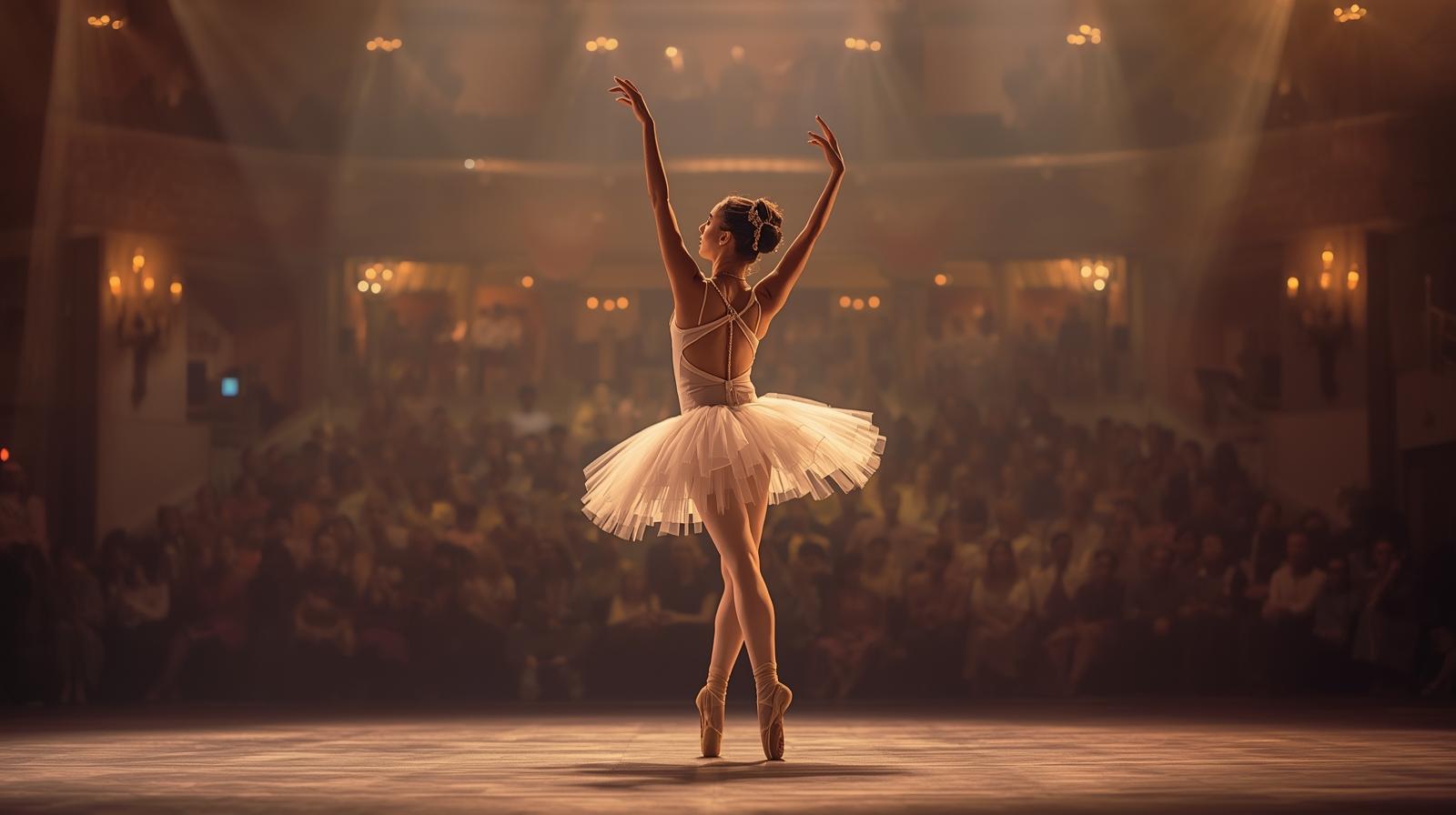
This dance form has a long history, beginning several centuries ago.
Ballet’s origins in Renaissance Italy
Ballet originated in Renaissance Italy in the 15th and 16th centuries, when dance was an important part of ceremonies and celebrations at noble courts. Dances featured in elaborate spectacles combining music, poetry and movement.
These performances did not yet resemble ballet as we know it, but they laid the foundations for an organised, choreographed form of dance.
The development of ballet in France
Ballet began to develop significantly in 17th-century France. King Louis XIV, also known as the Sun King, played an essential role. Passionate about dance, he took part in ballet performances at the royal court.
In 1661, Louis XIV founded the world’s first ballet academy, the Académie Royale de Danse. It played a major role in establishing the rules and techniques of classical ballet.
The fundamental foot positions that remain the basis of ballet technique were also defined during this period.
Ballet becomes a stage art
Over the following centuries, ballet developed and moved onto theatre stages. It evolved beyond royal court festivities into a performance art in its own right.
Choreographers and composers began creating works in which dance told a story, with music and scenery completing the artistic atmosphere.
Ballet’s golden age in Russia
In the 19th century, ballet flourished in Russia. Some of the best-known classical ballets were created during this period.
Collaboration between celebrated choreographers and composers produced works still performed worldwide, including Swan Lake, The Nutcracker and The Sleeping Beauty.
These works helped define classical ballet’s style and spread its popularity internationally.
Ballet in the modern world
From the 20th century to the present, ballet has continued to evolve through new styles, choreography and interpretations of classical works.
Ballet is now practised professionally in major dance companies and recreationally in schools and academies for children and adults.
For many people, it is both an art and a form of physical and artistic education, developing discipline, coordination and artistic sensitivity.
Conclusion
From dances at Renaissance courts in Italy to the great performances on today’s stages, ballet has travelled a long way. Developed in France and refined in Russia, it became one of the most sophisticated performing arts.
It continues to inspire generations of dancers and audiences through its elegance, discipline and beauty.