
Ballet guides
Emotional preparation for dancers before a performance
Nerves before a competition or performance are natural. With preparation, support and suitable techniques, they can become a source of energy and expression on stage.
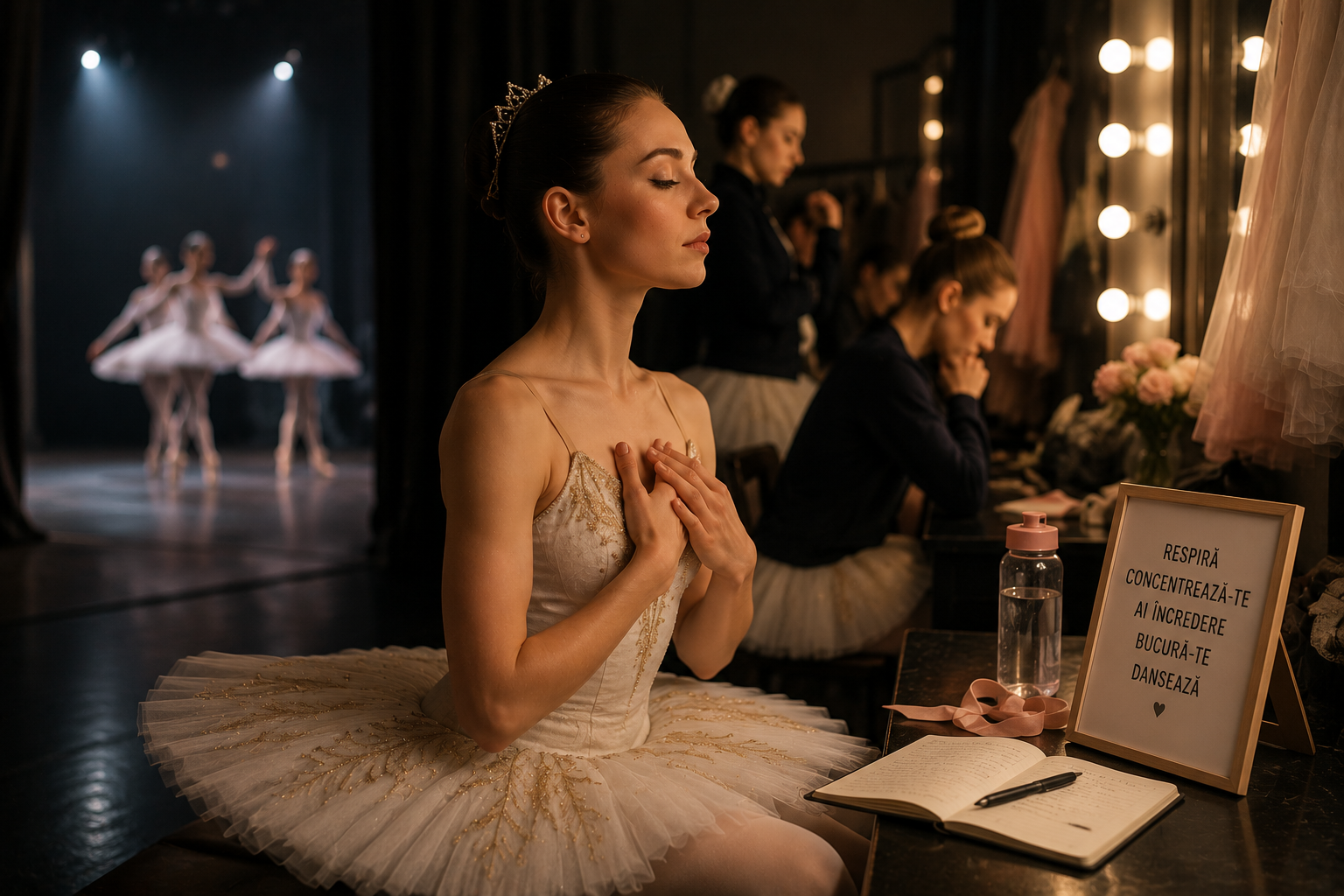
Classical dance combines technique, discipline and artistic expression. Behind its on-stage grace and elegance are hours of work, rehearsal and mental preparation.
For many ballet dancers, feelings before a competition or performance can be intense and sometimes overwhelming. Psychological preparation is therefore as important as technical training.
1. Building confidence through consistent preparation
Solid preparation is the first step towards managing nerves. Regular, well-structured rehearsals help dancers master their variations, choreography and technique.
The more confident a dancer feels in their movements, the less stage anxiety they experience. Teachers should create an environment where students can rehearse artistic interpretation as well as technical accuracy.
2. Recreating the performance setting
Simulating a performance or competition during rehearsals is an effective preparation method. Dancers can practise in costume, under stage lighting or in front of classmates and teachers.
This helps them become familiar with being watched and learn to manage their nerves before the real event.
3. Breathing and relaxation techniques
Controlled breathing is a simple but effective way to reduce stress. Deep-breathing exercises help calm the nervous system and improve concentration.
Muscle relaxation techniques or brief moments of meditation can also help ballet dancers settle their minds before going on stage.
4. Visualising success
Visualisation is often used by athletes and performers. Ballet dancers are encouraged to imagine performing their choreography perfectly, hearing the audience applaud and feeling satisfied at the end.
This helps create a positive mindset and build confidence in their abilities.
5. Accepting nerves as part of the process
Dancers need to understand that nerves are normal. Even professionals feel nervous before performances.
Rather than trying to eliminate these feelings completely, dancers can learn to turn them into positive energy that enhances artistic expression.
6. Support from teachers and classmates
A supportive environment is essential for confidence. Teachers should offer constructive feedback and encouragement, while classmates can create a sense of teamwork and solidarity.
A positive studio atmosphere helps reduce pressure and develop a healthy attitude towards competition.
7. A pre-performance routine
A consistent routine before going on stage can help settle emotions. It may include a proper warm-up, breathing exercises, a few moments of focus and mentally rehearsing the choreography.
A routine creates a sense of control and familiarity.
Conclusion
Preparing a ballet dancer for the stage includes emotional balance as well as technical development.
Through consistent rehearsal, relaxation, visualisation and support from teachers, dancers can learn to turn nerves into a strength that enhances artistic performance.
The stage can then become a place where a passion for dance shines, rather than a place of fear.